You’re going to discover one of the most compelling real-world success stories in contemporary economic history if you’re looking for a case study in Singapore.
Singapore is more than just a nation; it is a worldwide illustration of how leadership, discipline, and strategy can change a country.
Singapore’s path from a poor island devoid of natural resources to one of the world’s richest nations is truly remarkable.
📑 Table of Contents
- Introduction
- Overview of Singapore
- Singapore Before Independence
- Turning Point: Independence in 1965
- Economic Transformation Strategy
- Key Factors Behind Singapore’s Success
- Role of Government Policies
- Industrialization & Foreign Investment
- Education and Human Capital
- Infrastructure & Technology Growth
- Financial Sector Development
- Real Data & Growth Proofs
- Challenges Faced by Singapore
- Modern Singapore Economy (2025–2026)
- Lessons from the Singapore Case Study
- Conclusion
- FAQs
🌍 Overview of Singapore
Singapore is a small island nation in Southeast Asia with:
- Limited natural resources
- Small population
- Strategic location for global trade
Despite these limitations, Singapore became:
- One of the richest countries (per capita income)
- A global financial hub
- A top business destination
📉 Singapore Before Independence
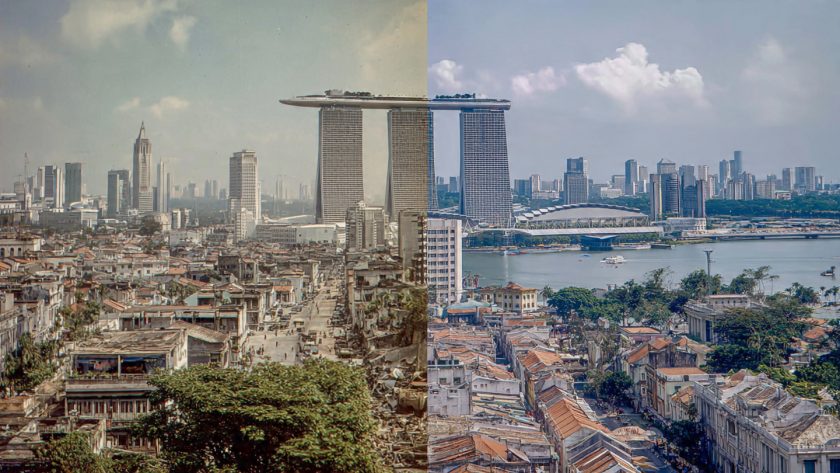
Before 1965, Singapore faced serious problems:
- High unemployment
- Poor infrastructure
- Low industrial base
- Dependency on trade
There was no clear future, and many experts believed Singapore would fail as a nation.
🔥 Turning Point: Independence in 1965
In 1965, Singapore separated from Malaysia and became independent.
At that time:
- It had no army
- No natural resources
- No strong economy
Yet, this moment became the starting point of transformation.
🚀 Economic Transformation Strategy
According to studies like the IMF report on Singapore’s rapid development, the country experienced:
- Fast economic growth
- Low inflation
- Strong balance of payments
Singapore adopted a long-term strategic model instead of short-term thinking.
🔑 Key Factors Behind Singapore’s Success (Core of Case Study in Singapore)
1. Strong Leadership
Singapore’s leaders focused on:
- Discipline
- Long-term planning
- Corruption-free governance
This created trust among investors.
2. Open Economy & Trade Focus
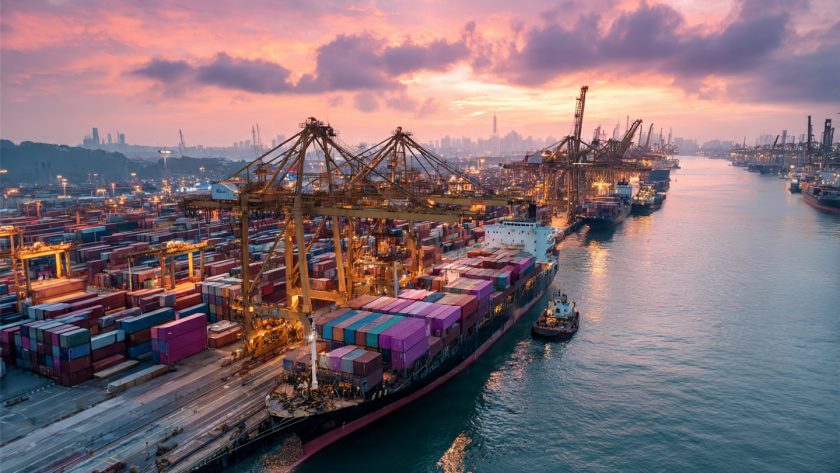
Singapore opened its economy to the world:
- Encouraged exports
- Promoted global trade
- Became a logistics hub
3. Foreign Direct Investment (FDI)
Singapore attracted multinational companies by offering:
- Low taxes
- Business-friendly policies
- Political stability
This helped build industries quickly.
4. Industrialization Strategy
Singapore shifted from trading to manufacturing:
- Electronics
- Chemicals
- Pharmaceuticals
This created jobs and boosted GDP.
🏛️ Role of Government Policies
The government played a huge role:
- Strict laws reduced corruption
- Efficient public services
- Long-term economic planning
Singapore is considered one of the least corrupt countries in the world, making it attractive for investors.
🏭 Industrial Growth & Manufacturing
Singapore focused heavily on manufacturing.
Research shows:
- Manufacturing became a key growth engine
- High productivity industries boosted exports
🎓 Education & Human Capital
Singapore invested heavily in education:
- Skilled workforce
- Technical training
- Focus on innovation
This helped companies grow faster.
🏗️ Infrastructure Development
Singapore built a world-class infrastructure:
- Ports
- Airports
- Smart cities
This improved global connectivity and trade.
💰 Financial Sector Development

Singapore became a global financial hub by:
- Developing strong banking systems
- Encouraging international finance
- Maintaining economic stability
Today, it is one of the top financial centers in the world.
📊 Real Data & Growth Proofs
Let’s look at actual proof from this case study in Singapore:
- Rapid growth since 1965
- One of the fastest-growing economies in Asia
- High GDP per capita globally
Recent data shows:
- GDP growth reached 4.8% in 2025 due to strong manufacturing and AI demand
This proves Singapore is still growing even today.
⚠️ Challenges Faced by Singapore
Despite success, Singapore faced:
- Global financial crises
- Limited land
- Dependence on global trade
But it adapted quickly every time.
📈 Modern Singapore Economy (2025–2026)

Recent developments show:
- Growth driven by AI and technology sectors
- Strong manufacturing recovery
- Continued global competitiveness
Singapore is now focusing on:
- Artificial Intelligence
- Innovation
- Sustainability
📚 Lessons from This Case Study in Singapore
Here are powerful lessons you can apply:
1. Think Long-Term
Success doesn’t happen overnight.
2. Strong Leadership Matters
Clear vision = strong nation.
3. Education is Key
Invest in skills, not just resources.
4. Be Open to the World
Global connections create growth.
5. Discipline & Policy Matter
Rules and governance build trust.
✨ Why This Case Study in Singapore is Important
This case study is important because:
- It shows how a small country can win globally
- It proves strategy beats resources
- It gives real-world business lessons
🧾 Conclusion
One of the greatest instances of economic success in history is this case study from Singapore.
From a poor country in 1965 to a major player in the world today, Singapore demonstrated:
“Size is not the key to success; strategy is.”
If you fully get this case study, you can use the same ideas in:
- Business
- Career
- Entrepreneurship
🔍 FAQs
1. What is the subject of the Singapore case study?
It describes how Singapore’s economy evolved from impoverished to developed.
2. What makes Singapore successful?
because of an effectiveglobal trade strategy, policies, and leadership.
3. What are the main drivers of Singapore’s expansion?
Governance, infrastructure, education, and FDI.
4. How quickly did Singapore expand?
Since 1965, it has grown quickly, with steady GDP growth.
5. What sectors of the economy currently power Singapore?
manufacturing, technology, and finance.